





An engagement ring is one of the few pieces of jewellery bought with the expectation that it will be worn every day for the rest of a life. It is no surprise that many couples want something nobody else has, a ring that reflects their taste, their story and the hand it will sit on, rather than one picked from a tray of near identical designs.
This article explains what bespoke really means, how the design process works from the first conversation to the finished ring and how to choose a stone and metal. It also covers budget, timing and the practical matter of getting the size right without spoiling the surprise.
What Bespoke Really Means
A bespoke ring is designed from scratch for one person and made to order. That is different from a ring made in your size from an existing design, and from a customised ring, where you choose a stone or metal for a standard setting. With a fully bespoke commission, every part of the ring, from the shape of the band to the height of the setting, is decided together with the jeweller.
Many people assume bespoke always costs more. In practice, the price is driven mainly by the stone, the metal and the hours of skilled work involved, and many jewellers charge little or nothing extra for the design itself. A bespoke ring can often be made for a similar price to a comparable ready-made piece, with the difference being that every detail has been chosen rather than accepted.
Bespoke engagement rings in London draw on a huge pool of skill. The city has goldsmiths, setters, engravers and gem dealers working within a short distance of each other, particularly around Hatton Garden, which has been at the heart of the British diamond trade for well over a century. That concentration means rarer stones and specialist techniques are usually easier to find than they would be elsewhere.
How the Design Process Works
Most commissions begin with a consultation, either in a studio or by video call. This is a conversation about style, lifestyle, budget and timing, and it helps to bring a few pictures of rings you like and, just as usefully, ones you do not. Notes about the person who will wear the ring, such as whether they work with their hands or prefer simple or ornate jewellery, give the designer a lot to work with.
From there the jeweller sketches a few ideas and refines the chosen direction. Many studios produce a detailed drawing or a 3D render, and some carve a wax model or print a resin version so you can see the true scale on a finger before any metal is cast. This is the stage to look closely at band width, setting height and how the ring will sit next to a wedding band, since changes are easy now and costly later.
Once the design is approved, the ring is made. The metal is cast or hand forged, the stone is set and the ring is polished and finished. In the UK, rings in gold, platinum or palladium above a small weight must be hallmarked by an independent assay office before they can be described as precious metal, which gives lasting proof of what the ring is made from. Ask for the hallmark details and any stone certificate when you collect it.
Choosing the Stone and Metal
The stone usually comes first, because the setting is designed around it. Diamonds are judged on cut, colour, clarity and carat, and of the four, cut has the biggest effect on sparkle. Lab-grown diamonds are chemically the same as mined ones and cost far less for the same size, while natural stones hold a rarity that some couples value. A good jeweller will show you both side by side so you can judge with your own eyes.
Coloured stones are a beautiful alternative. Sapphires are the most popular choice, being hard enough for daily wear and available in blues, pinks, yellows and greens, while emeralds and morganites are softer and need a more protective setting. A family stone can also be reset into a new ring, which gives a London bespoke engagement ring a sense of history that a new stone cannot match.
Platinum is naturally white, very dense and wears slowly, which makes it a strong choice for holding stones securely. Yellow and rose gold in 18 carat offer warmth and a classic look, while white gold is usually plated with rhodium and needs replating every year or two to keep its colour. Whatever you choose, it is worth matching the engagement ring and wedding band in the same metal, since different metals can wear against each other over time.
Budget, Timing and Getting the Size Right
Set a budget range before the first meeting and share it openly. It lets the jeweller suggest where to spend and where to save, such as choosing a slightly smaller diamond with an excellent cut or a sapphire in place of a diamond, so the design can stay ambitious. There is no rule for how much an engagement ring should cost, so choose a figure that feels comfortable rather than one set by tradition.
Allow plenty of time. A bespoke engagement ring made in London commonly takes anywhere from six weeks to a few months from first consultation to collection, and longer when a rare stone has to be found. If there is a proposal date in mind, starting three or four months ahead leaves room for design changes, a second look at the model and any final adjustments without a rush.
The size is often the trickiest part of a surprise. Borrowing a ring the wearer already wears on that finger is the most reliable option, as long as it is a similar width, since wider bands need a slightly larger size. Fingers also change with temperature and time of day, so a size taken in the evening is usually the most accurate. If you are unsure, most jewellers can resize a simple band after the proposal, though rings set with stones all the way around are much harder to adjust.
In Conclusion
Finding the right ring comes down to a clear brief, a jeweller you trust and enough time for the design to develop. Choosing the stone first, matching the metal to daily life, being open about budget and getting the size right will lead to a ring that feels as though it was always meant to be theirs.
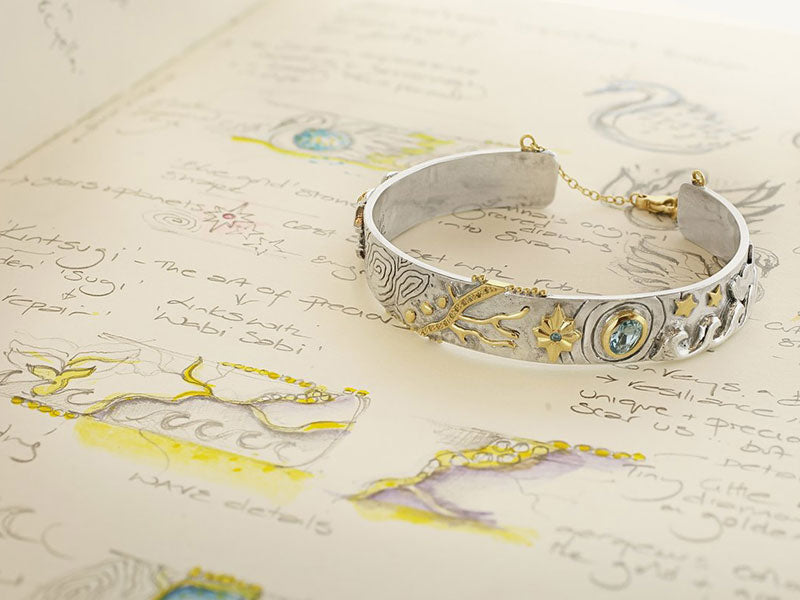
At Sophie Harley, we design one-of-a-kind engagement rings, wedding bands and eternity rings, each handmade to order in fully hallmarked precious metals. Every commission starts with a private consultation at our West London studio, where you can see Sophie's sketchbooks, samples from past commissions and gemstones sourced from trusted Hatton Garden dealers, and we will suggest options that suit your budget. Call us, email us or use the form on our bespoke jewellery page to book your appointment.